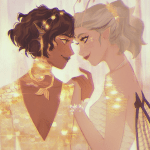
Idk which version is better but I think I’m leaning a bit more with the instagram version. The filter makes it kinda dreamy like. Looks like an ol’ prom or wedding photo
Disclosure! This is based on the stories I heard from my family growing up! It is a very “family tradition” telling of ways to deal with the Fae. Mind you, my whole family passes down two things “very important” about the Fae, and then a bunch of tid-bit stuff. 1.) We have fae in our blood line (but who has family from a Celtic or Germanic nation and hasn’t heard that?) and 2.) Fae, of any court, will trick you just to see if they can, so always be careful.
Having said that, this is a quick list of things I was taught about dealing with the Fae
The Fae are tricksters. They can not lie (on pain of death) but they will do everything in their ability to trick you, because it’s a game.
Do NOT eat or drink anything the Fae offer you. If you ingest anything from their world you can’t leave, because the magic of the world will snare you.
Some Fae are flat our evil. Some enjoy hurting people, and do it for fun.
The Seelie court is not the “good” court, just the court of illusion and glamour
The UnSeelie court is not the “evil” court, just the court of shadows and intrigue
Not all Solitary Fae were banished from a court, some chose to leave. Not all Solitary Fae were banished for being “evil”, but some simply for refusing to follow directions from a higher ranking Fae, or for failing to conform to the “rules” of the court.
The Slough is The Host, The Wild Hunt….they hunt down betrayers, oath-breakers, liars, thieves, and the like, and execute them. While the Slough is not evil, they are strict, and frightening.
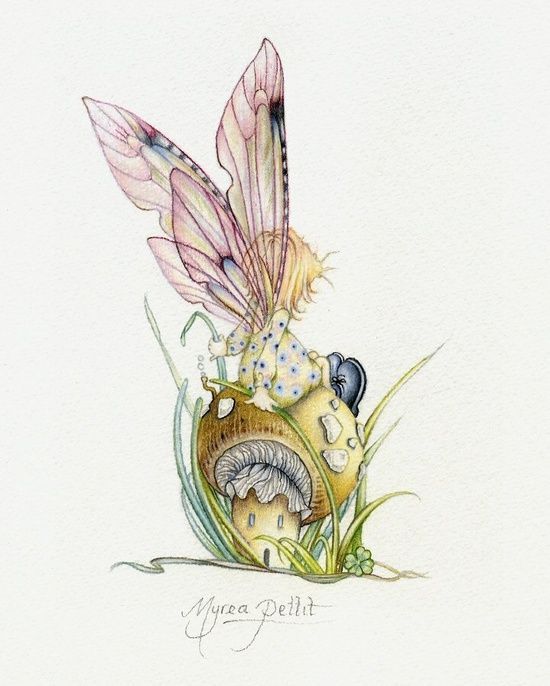
Fae in your garden is good luck
You can leave the Fae offerings to promote a peaceful relationship. If you’re useful, then you’re likely to be left alone
Do not dance with the Fae, because you’ll become enspelled and dance till you die
Do not step through a fairy ring, it’s easier to get into their world than it is to get out.
Do not go seeking out ways to see Fae who wish to remain invisible. They want to be left alone for a reason, and can/may very well take your sight if you can see through their illusions
To invite Fae who wish to be seen, leave honey, milk, or fresh bread by your garden
Wear iron to keep a Fae from being able to grab you
Hang iron above a childs crib to keep Fae from trading them out with a changling
Let your children play with the Fae they see, so as not to offend the Fae, but never let them follow them
Don’t play with water Fae, they don’t understand you need air to breath and live
Don’t share blood with a Fae. They can enspell you if you give them your blood or hair
Don’t use your full name when dealing with the Fae. Names have power, and if they learn your full name they can have power over you
Mirrors do not reflect a Fae’s glamour perfectly, you can tell a Fae among mortals because their reflection will look “off”
Hidden like Viking gold under the landscape there is a rich body of nearly lost folkwitch tradition hiding in plain sight on the internet. Particularly in the 18th and 19th century antiquarians, folklorists and ethnologists documented the rural and occasionally urban folk beliefs of practically all of the UK and much of Europe. Organizations like the Folklore Society, founded in 1878, were created to help catalog and publish this body of collected ethnological data. A vast repository of a spectrum of witch and cunning craft practices.
Below are a list of links to various sources on the internet. The non Abramhamic roots of British folk traditions date from an era of Celtic settlers, and thus much of the spirit tradition concerns beings we now collectively call “fairies”, though their origins and nature differ greatly.
Books Available Online for free:
Folklore Society/Folk-Lore Journal:
Over 100 publications made by the Folk-Lore Society can be found on Archive.org. Unfortunately these are mostly unsorted, although they represent a massive amount of folkwitch information. Particularly in the realm of curses, hexes, salves, second sight, and boundary magic.
I will be launching a separate blog dedicated to delving into the contents of the Folklore Society’s publications in the next few weeks. In the meantime – Happy digging: Link to archive of FOLKLORE JOURNAL
Books whose content focuses on first-hand accounts of folk traditions, alpha by author. (* denotes particularly important titles)
Benjamin Thorpe
-Northern Mythology, Comprising the Principal Popular Traditions and Superstitions of Scandinavia, North Germany, and the Netherlands Volume 1 Volume 2 Volume 3
Lady Wilde
– Ancient Legends, Mystic Charms, and Superstitions of Ireland * Volume 1 Volume 2 Volume 3
In Irish mythology, Clíodhna is a Queen of the banshees of the Tuatha Dé Danann. Cleena of Carrigcleena is the potent banshee that rules as queen over the sidheog (fairy women of the hills) of South Munster, or Desmond. She is the principal goddess of this country.
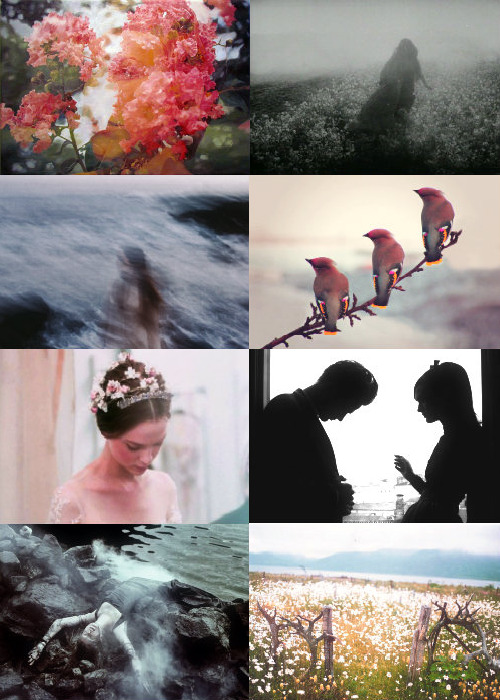
In some Irish myths Clíodhna is a goddess of love and beauty. She is said to have three brightly coloured birds who eat apples from an otherworldly tree and whose sweet song heals the sick. She leaves the otherworldly island of Tir Tairngire (“the land of promise”) to be with her mortal lover, Ciabhán, but is taken by a wave as she sleeps due to the music played by a minstrel of Manannan mac Lir in Glandore harbour in County Cork: the tide there is known as Tonn Chlíodhna, “Clíodhna’s Wave”. Whether she drowns or not depends on the version being told, along with many other details of the story.
Nestled
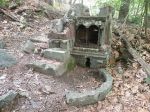
deep among the woods of Middlebury lies an abandoned village. This isn’t your
average abandoned village, however, as it consists of crumbling doll-sized
houses. Aptly named Little People Village, legend says a local man was terrorized
by fairies who insisted that he was living on their land. In an attempt to
alleviate their threats, he built a tiny village for the pixies. As they grew
in population, they expected more and more from the exhausted man. Driven to
the brink of insanity, the man fled and abandoned the tiny village. Another legend is a bit more grim, and says that the man committed suicide. Anybody
that visits can see that a lot of detail went into the tiny village, with
intricate pathways between each building and stairs inside the petite homes.
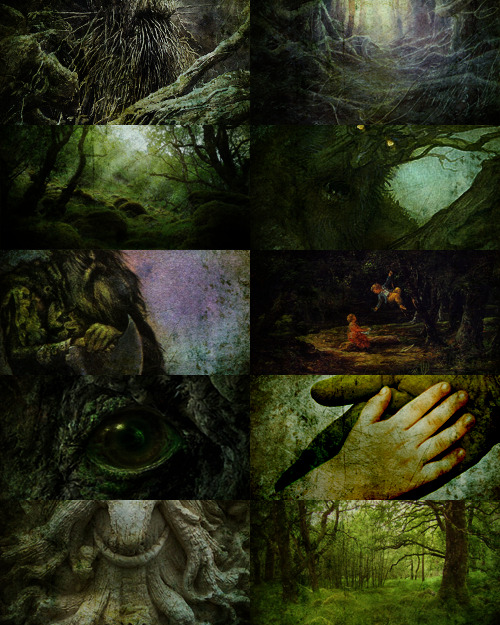
The Ghillie Dhu or Gille Dubh is a faerie, a guardian spirit of the trees. He is kind to children, but generally wild and shy. Said to be dark haired, he is described as clothed in leaves and moss.. He especially likes birch trees, and is most active at night. In lore, this solitary spirit is said to reside primarily near Gairloch and Loch a Druing.



 ImagineCreateDevour