So as you all know I’ve been back to uni for about two weeks now and I was NOT feeling it (to say the very least). So here is what I did to get out of that crappy omg I can’t believe school’s back mood:
Clean your room: Back to school shopping is a huge deal for me but personally I like to start by cleaning my room, that includes closet, desk .. etc. Not only does this give you kind of a fresh start but also you end up figuring out exactly what you have and don’t have so you buy way less stuff (and save more money)
And while you’re at it stop hoarding: I’ve had books just sitting there for nearly four years that I haven’t touched (hello histology), same goes for clothes. Get rid of the things you know you don’t use. If you haven’t used them in a year chances are you won’t magically change your mind and start using them. You can sell them or give them away.
Don’t throw away half used notebooks: This annoys me soooo much. Cut out the pages you’ve written in and RECYCLE them. Less is more people. You don’t have to use them for school, I use those for writing down workouts or tracking what I eat, making shopping lists, goals or whatever I feel like writing (so people won’t see you with the same notebook from last year, they probably won’t notice anyway but if that’s your excuse here you go)ALSO: For clothes that you like but are too long, too big or whatever get them tailored! Don’t throw those away too.
Now that we’ve decluttered, make a list of what you need: Tailor this to your schedule as much as possible. If you have long days at uni with a significant amount of walking maybe invest in comfy shoes, if you feel like a certain notebook would work really well for a certain class get it, if you know you’ll be carrying a lot of stuff around and don’t have a proper backpack get one. Write down everything you need before you go to the store.
Figure out what you’ll do regarding your meals: Do you have enough good quality tupperware? Do you have all the groceries? Watch a few videos on meal prepping and have a set list of quick and healthy meals that suit you and your schedule and your diet.
Optimize your study space: I’m not saying make it all white and aesthetically pleasing (unless that’s your thing), just make sure it’s a good environment for you to be productive. Figure out if you need to make any changes to it before school starts.
If you can rearrange the furniture in your room: You’d be surprised at how much this affects your mood, you don’t have to buy new stuff to feel renovated for back to school.
Take a look at all of your classes and try to work out a daily (& study) routine: SUPER IMPORTANT, before school starts try to plan out what your weeks will look like, what you’ll do for certain gaps (for example do you have enough time to go study off campus or get a workout in), which resources you’ll use for every class, how are you going to commute, what kind of notes you’ll take for every class ..etc. Distribute your workload evenly throughout the week (so days when you go home early, allocate more study time and vice versa)
Lurk at studyblrs and studygrams: or even start one, this community is super motivating (pretty sure you already know that)
One last pampering session:This is very very optional and not for everyone but I personally get a hair treatment done before uni so that I don’t spend as much time doing my hair in the morning. Same goes for body hair removal, face masks …etc. It just makes me feel like a new woman 💁🏼♀️
Now that I’ve been directly involved in the hiring process at two tech companies, I can confirm you should definitely ignore the “must have 73 years of BlahBlah experience” in job postings you see online.
A lot of shit is put into that description arbitrarily.
Your interviewer will reveal what they really want from you, just follow what they inquire about and tell them what you think they want to hear.
And let me clarify this in case someone decides to be extra af and take my words out of context.
Don’t apply for a Director level job if you fresh out of college. Be realistic.
I’m just saying, if you do have experience but you don’t exactly meet the requirements, pull up from 30 and try it anyway.
Just a PSA for those who may also be worried about losing anything.
Any hurricane –
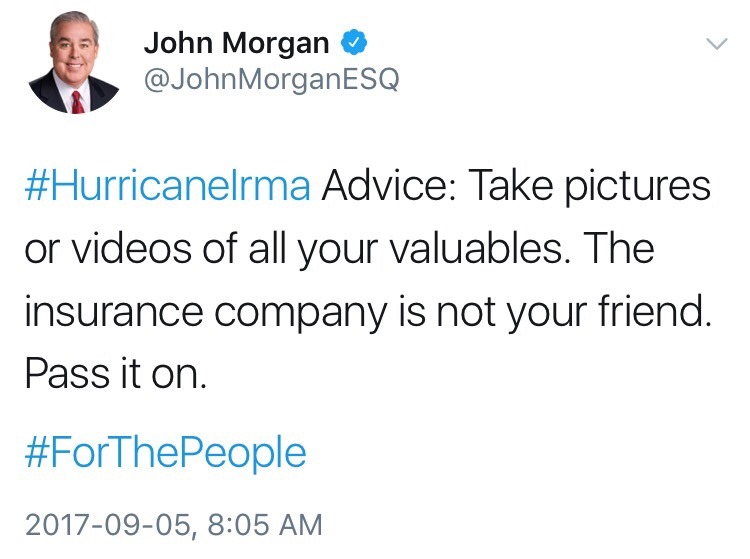
->Take pictures of your valuables AND the stickers with the serial numbers on it.
-> Have all important documents together and with you. This includes but not limited to: Birth Certificates, Social Security information, marriage/divorce certificates and paperwork, bank information, passports, etc.
-> If you evacuate take above important documents along with any weapons. It sounds bad but good chance for looters to get weapons. Even people will still take advantage of others in shitty situations.
-> If you evacuate take any and all medication with you. I am not talking herbal things like fish oil and multivitamins. I’m talking about prescription medication to as little as ibuprofen and Nyquil. Bonus bring a first aid kit.
-> Try. To. Bring. Your. Animals. With. You.
Please put an effort to try. If anything most people are told to let them loose.
Do. Not. Leave. Them. Tied. Up. Or. In. A. Kennel. Locked. In. Your. Home.
Take a picture of them as well. In case the apca catches them and put them in kennels for people to find after the storm.
-> This past hurricane they have been requesting people to write their phone number on live stock hooves should they be lost to contact owners.
-> Items may be lost and you can get most of them back. However there is only one of you. You, family members, and pets. Please be safe.
This is not limited to Hurricanes!
Not just hurricanes. Floods, fires, and tornadoes too.
Though… my mom’s aunt’s family lived in an area that was basically a bowl and would flood during every rainstorm. Back in the 70s and 80s things were more lax and to cheat the system they lied and said they owned more than whatever they did so the insurance company would replace their stuff plus give them new stuff. They would pawn the new stuff to make more money, and this happened a lot.
They can’t be as easily tricked these days. Keep receipts. Take photos of everything. Because people like the aunt’s family stole a lot of things and helped make the problem worse for those who actually need help. Insurance companies don’t even believe you when you have proof now thanks to such people but you need to cover all the bases as much as you can.
Advice for anyone evacuating from hurricane Florence, stay safe 💚
If you ever have time, GET OFFICIAL COPIES of literally everything. Mail them to someone/somewhere out of danger.
I’m not kidding when I say that documents relating to property and land are often the last to be digitized or archived securely. You need those for insurance claims.
when we breathe heavily after, say, holding our breath underwater, we don’t call that breathing “compulsive”. we don’t say we’re “overbreathing”.
when we nap bc we got 4 hours of sleep the night before, we don’t see that compensatory act as something pathological. we think, “my body didn’t get the amount of sleep it needs and now it’s making up for it”
but we will restrict our food intake as much as we can for as long as we can, and when the reactive eating inevitably comes, we call it “bingeing” or “compulsive overeating”, instead of seeing it (as w the other functions) as a biological drive to meet one of our bodies’ basic needs.
we don’t have this different view of eating patterns bc it’s actually the case that compensatory eating is pathological… we view it in the way we do bc we’ve been thoroughly indoctrinated by diet culture, a form of social control
my therapist was talking about this a little while ago. She was talking about how cycles of deprivation tend to function like
deny yourself a physical need (food, rest, emotion, etc.) –> your body takes over and you [eat a lot/aren’t able to do anything physically or psychologically draining/experience extreme emotions] for a period of time –> you feel guilty/ashamed/worthless –> you deny yourself a physical need
and she said that most of us are conditioned to believe (if we recognize this as a problem/something we’re genuinely struggling with at all) that the way to solve it is through trying to force ourselves to stop “over-indulging” in our needs. But the way to break the cycle isn’t during the deprivation or the need-recovery stages– it’s during the stage where you feel guilty/ashamed/worthless.
She was saying that if you can work on that stage and start to internalize that your body keeping you alive through recovering [calories/energy/connection with yourself] is a good thing and nothing to be ashamed of, but instead something to be grateful for, then you can gradually stop depriving yourself out of an attempt to maintain self-worth, which in turn means you won’t be waiting until your body goes into crisis mode to get your needs met.
It was really insightful and it’s something I’ve been kind of turning over in my head since.
For
an animal that we think of as our best friend, we often treat dogs as
if they are much less than that. We feed them at odd hours, we stick
them out in the back yard to entertain themselves in the heat or the
cold, we leave them alone while we work for hours at a time. Some of
these things can’t be avoided. In fact, it’s a lucky dog who has a
safe, enclosed back yard with a sturdy dog house where he can wile
away the hours until we get home from work. It’s better than being
stuck indoors all day.
Here’s
the thing, though. Dogs need to be walked. They need focused
exercise, and they need time to bond with you. They need mental
stimulation; they need to see the sights and smell the smells. Dogs
that live boring lives become mean and destructive. Dogs that don’t
interact with humans become withdrawn and maybe even aggressive.
Walking gets out some of that pent up energy that they might
otherwise use to chew up your carpet or dig a hole through your
bathroom door. Walking gives them time with you, and you are their
whole world! Dogs are pack animals, and the most important thing to
them is their people. They need that time with you.
So
go walk your dog. Get off the internet and do it. Your dog deserves
a walk. And so do you! You deserve 30 minutes of fresh air and
sunshine each day. You deserve time to look around your
neighborhood, to appreciate how blue the sky is, or how red the
leaves are, or how that one cloud looks like Voldemort. If you think
you don’t have the time, then reevaluate your commitments and make
the time. Walk your dog at night, before bed. Walk him on your
lunch break. Find some way to make it happen.
We
are guilty of not doing this. Years ago, when we were all younger,
we’d hook our dogs up after work and we’d walk for an hour every
single day. Rain or shine, it didn’t matter. Then we somehow got
out of the habit. We got down to once a week, sometimes not even that. We worked long hours, we were busy with school,
and while we didn’t exactly neglect our dogs, we didn’t make them our
priority either. And they should be. They deserve to be. Dogs are
some of the greatest people in the world!
We
started walking regularly again this summer and it has been great for both of
us. One 20 minute walk a day, at a minimum, the only exception being
extreme weather. Our dogs are happier and more engaged with the
world, especially the elderly one. We’ve lost weight and our
depression has lifted somewhat. We get more vitamin D from the extra
sunlight, which is especially important in winter. We know our
neighbors a little better, and they probably think we’re less of a
weird nocturnal hermit now that they’ve met us a few times.
Never
walked your dog before? Don’t worry, there’s not a whole lot to it.
Get your dog, get a harness and leash, and just walk. Walk in your
neighborhood. Walk in the park. Walk a nature trail. Walk around
your block. Walk by the river. Just get out and get moving. Your dog may pull, which
is frustrating, but resist the urge to yell or punish him. Walking
on a leash without pulling ahead isn’t a behavior that dogs naturally
know how to do, they have to be taught. Imagine if someone put you
on a leash. If you didn’t know better, you’d probably try to get
away too. Google the subject, watch some videos. Invest in a no-pull
harness. Sense-ible makes really good ones.
How
is this a minimalist activity, you ask? Walking is proven to reduce
stress. Dogs are proven to reduce stress. Combine the two and
you’ve created a maximum-efficiency stress reliever! You’ll be
burning calories, which will reduce your weight over time. You’re
also reducing the amount of damage that your bored dog will do to
your house when you are away. We cannot tell you how many things our
dogs have ruined while we were away working long hours in a factory.
Walking helps tremendously. A tired dog is a good dog. And to those naysayers who think that
minimalists shouldn’t have pets, we invite you to kindly go screw.
We’re allowed to have hobbies, and this is the one that we chose.
One
last word: before you take your dog out in the world, make sure he’s
had his shots. Rabies, distemper and parvo are some
common and deadly diseases that can be prevented with vaccines that
run less than 50 bucks in most areas. If you have a puppy that
hasn’t had all three of its boosters, don’t take it out in public.
If you can’t afford the shots then find a way to afford them. Find a
local organization that will help you pay for them. Donate plasma,
sell an old iPod. Find the money; it’s a literal matter of life or
death. If you can’t afford the vet, you can’t afford the pet.
This is a great way to make sure your household inventory doesn’t grow as the years go by. Whenever you buy a physical, non-consumable item, you throw something else out. Preferably something in the same category. Examples:
Clothes: If you buy a new sweater, choose an old one to donate. Pro tip: recycle or donate extra clothes hangers so you won’t have any extra spots for new items without ridding yourself of an old one.
Shoes: Toss a pair when you buy a pair, but also avoid buying a new pair until you’ve got a pair that’s ready to toss.
Furniture: You guessed it, sell or donate an item when you buy a new one. Bonus if your new piece of furniture is used instead of brand new!
Ok, enough with the examples. This isn’t exactly rocket surgery, here. The trick is making a habit of it. As soon as you get home with your new swag, make a point of going through your old stuff and finding something for your donation box.
One big complication is gifts. People give gifts, and we are of the opinion that if someone gives you something and you didn’t actively decide to purchase it then you don’t need to sacrifice something else you own unless you just want to. Example:
Grandma’s 2nd cousin five times removed gives you an ugly sweater for Xmas. You feel bad throwing it out, but you know you’re never going to wear it, and you don’t want to toss any of your own things to make a spot for it because it’s not like you went shopping and picked this monstrosity. So just don’t, it’s fine. Keep the sweater a couple months, take a pic of yourself wearing it so you’ll have something to remember it by, and then donate the sweater. It’s really ok.
Now, sometimes you get a gift that you really like and want to keep. In that case, if you like it better than some other item you’ve got, we’d encourage you to go ahead and donate something. But hey, if you don’t then that’s ok too.
At holiday times a good way to discourage this problem is to tell people, when they ask, that you’d like consumable items as gifts. (If you say that you don’t want anything some people will accept that, but a lot won’t.) Chocolates, soaps, bath bombs, candy or other food items, perfume or cologne, candles, etc. Anything that can get used up, in other words. That way people feel like they’re still getting you something and you don’t wind up with weird stuff you don’t want or need.
no, listen, when I say I want to integrate more specific solarpunk stuff in my life, i don’t mean to ask for yet again new “aesthetic” clothes that now you have to buy or make to show your support of the movement (screw that i’m consuming enough as it is), or more posts about impossible house goals, or whatever, I’m asking you what my options to build a portable and eco friendly phone charger are, im asking you viable tiny-appartment edible plants growing tricks on a budget, im asking tips to slow down when my mind and society tell me im not fast enough, i don’t need more rich art nouveau amateurs aesthetics or pristine but cold venus project, okay, i know i should joins associations where I am tho i’m constantly on the move, thanks for that, just, you know, can we get a bit more practical ??? how do I hack my temporary flat into going off the grid for the time i’m here
Hello! ☀️ Here are a few practical suggestions for stuff you can do:
We know what you’re thinking. Having a disaster kit isn’t minimalist! It’s just a bunch of junk you’re keeping “just in case” and that goes against everything minimalism is about. Normally we would agree with you.
HOWEVER.
We live in tornado country. Spring and summer are incredibly nerve wracking. Remember those tornadoes that fucked up the South in 2011? We were hunkered down in the basement of the factory we worked in that day, with 1200 other employees and no electricity. It took us 30 minutes to drive home less than a mile because there were so many trees and power lines down. We went out that weekend to help with cleanup in Hackleburg and Phil Campbell, Alabama and they were just… fucking flattened. We took the following photo in Hodges, AL in April 2011. Check out the black helicopter. PS, this was a residential neighborhood. Note the disappeared houses and utility poles.
Our BFF’s house in Tuscaloosa was totally destroyed. She survived by hiding in her tub with her boyfriend. So you bet your ass we’ve got a disaster kit and a Shelter-In-Place plan. We don’t have a Bugout plan because we can’t fit all our pets in the car with us, and also because if we’re bugging out so is the rest of the city and we don’t want to die in our vehicle when the big one hits. We’d rather die in our cozy house with our dogs. Also, running from a tornado in your car is a dumb move. In 2011 many of those killed had been caught in their vehicles when the storms hit.
ANYWAY.
The point is, you need an emergency preparedness plan and you need some supplies to keep you afloat for 3-5 days until the power comes back on or rescue arrives. Starving, freezing and wandering around in the dark are not minimalist goals. So let’s go over some things you might need:
Light: You could use candles, oil lanterns or flashlights if the power is out. If there is a burn ban due to the possibility of ruptured gas lines (listen to your radio to find out) you’ll need to rely on flashlights to keep from blowing yourself up. In that case, LED ones will last much longer than old school ones. Keep enough batteries to power these for a few days and make sure to replace them when they expire every few years. To conserve these items, get what you can done during the day and plan to sleep after sundown. (Or at least sit in the dark awake and tell ghost stories to scare the crap out of your kids. Ahhh, childhood memories!)
Food: Stock a cabinet with non-perishables like potted meat, crackers, peanut butter and granola bars. Make sure they can be eaten cold or heated over a fire, in their original container if possible. Keep a can opener with these items if they don’t have pop-tops. If you want to get fancy, you could get a bucket of freeze-dried meals that you just add water to or a box of those emergency ration bars. We hear those are gross, though, so try to stock up food that won’t be miserable to eat. If there’s a disaster having tasty food to eat might be the bright spot in your shitty day. Most of these items do expire eventually, so keep an eye on the dates.
Water: You’ll need one gallon per person per day of clean water for drinking and washing. This can be in gallons bought from the store, or if you know there’s a storm coming you can fill your sinks and bathtubs beforehand. If you want to get fancy, get a Waterbob. Keep your pets in mind too. Look at their size and calculate how much they need and keep it on hand. You could also invest in filtering devices or chemical tablets to make rain or river water drinkable.
Heat: If it’s summer and the power is out, you’re just going to have to sweat. However, if it’s winter you’ve got some options assuming there isn’t a burn ban. The most basic one is to have a stock of firewood for power outages. You can use a fireplace or fire pit to burn it for warmth and cooking. There are also kerosene and propane heaters, which often have a little spot on top for heating up a pot of food or water. Make sure you’ve got tanks of the appropriate fuel on hand and that you know how to use these devices properly. Also keep some blankets in waterproof containers with your disaster stuff, and grab a pack of space blankets and learn how to use them. (They aren’t like regular blankets.)
Communication: Since it’s possible that phone lines and cell towers will be down, you need some way to get info. An emergency NOAA radio will do the trick. You won’t be able to communicate with family, but you’ll hear weather alerts and get instructions. Many of these things are also FM radios, so you can check your local stations for specifics on where to go for aid if you need it, as long as those stations are up and running. Our radio happens to also be a solar flashlight and a USB charger, so check those out.
Shelter: If your house is still standing, even if it’s somewhat damaged, staying there is your best bet. Cover broken windows with plastic shower curtains and tape and shelter in the most intact room. If there’s no heat, light your fireplace if possible and pop a tent in front of it. If you are caught without shelter, you’ll need a tent and good sleeping bag. These can be had from sports and outdoors shops or the internet. Get ones that fold up as small as possible for storage, but are still good quality so you won’t freeze.
First Aid: Hopefully you’ll come out unscathed, but keep a solid first-aid kit anyway. You can buy good pre-assembled kids from the Red Cross, or put together your own. You’ll need antiseptic, analgesics, bandages, gauze, ointment, and at least a week’s supply of your own prescription meds and your kid’s and pet’s. Check the expiration dates regularly and keep all of this in a sealed, waterproof container. Here’s some random stuff from our kit we inspected today:
Clothes: Keep three to five days worth of clothes, socks and underwear per person in a waterproof container. If there’s flooding or your roof is damaged, all your other clothes might get wet or contaminated. Keep some sturdy boots in there too.
Sanitation: Keep some trash bags, disinfectant spray and hand wipes available. No one wants to die of dysentery during the apocalypse. Baby wipes are great for refreshing yourself when there is no shower available. Also you may want some personal hygiene stuff in a waterproof container like toilet paper, feminine hygiene products, toothbrushes and tissues.
Fire prevention: Not all disasters are caused by wind. Make sure your smoke alarms work and that you’ve got an up-to-date fire extinguisher in every kitchen on every floor. Baking soda will also put out a fire. If you’re maintaining a fire pit or fireplace during a disaster (or even on a normal day) keep a big bucket of sand for putting it out safely.
Kids: Put back some baby formula and diapers if you’ve got little kids. Any medications they need, clothes and blankets and kid-sized sleeping bags. We’d also recommend some entertainment items like books, crayons and coloring books, toys or board games. Trying to get a tree out of your kitchen will be a lot harder if you’re trying to deal with bored kids.
Pets: Keep 3-5 days of extra food and water on hand in waterproof containers for each pet, plus leashes and collars, blankies, crates, ID tags and rabies certificates, and any meds they need. Kitty litter and disposable litter boxes are a plus.
Miscellaneous: It may be handy to have some other items put away, such as a battery backup for your phone, spare glasses, a whistle or emergency flares to signal for help, firestarters or cigarette lighters or matches in a waterproof container, a compass and map, spare keys, cash, or important documents. We have a favorite book put away, too.
~HAVE A PLAN IN PLACE~
Now that you’ve got your supplies, hopefully put away in plastic totes and waterproof containers in a secure location, it’s time to talk about plans. You should have a plan for any disasters that are likely in your area, and you should have an annual family meeting to talk about and update these plans. For everything except fire, be prepared to get your kids and pets corralled indoors. Here are some examples:
Fire: Suppose your smoke alarm goes off at 2 AM. Do you have a fire extinguisher? Where are you going to go? Are you sure your windows aren’t painted shut? Do your kids know how to open them and pop the screens out? Where is your cat? Where are you all going to meet once you escape? Whose door can you knock on in the middle of the night to call 911 and whose job is that going to be? Answer these questions and talk to your family about all of them.
Flood: Check your local maps to find out if your house is in a likely flood zone. You’ll probably have warnings before this happens, but do have plans in place. Are you going to get in the car and leave ahead of time? Are you going to stay and live on your roof? Can everyone swim? We’re not too familiar with flood danger because we live at a high-ish elevation, so anyone who is, feel free to chime in with advice. Do not leave your pet behind to die like some assholes did in Florida last year. Those people are shitbags who deserve to drown.
Stormy weather: Tornadoes and hurricanes and even just regular old straight-line wind can fuck your shit up.
Do you have time to get to a nearby community storm shelter, or are you going to have to stay at home?
What room in your house is safest? Do you have a basement? Do your kids know to stay away from doors and windows? How are you going to restrain your pet from roaming into the less-safe parts of the house?
Earthquake: All we really know about these is standing in a doorway. FEMA says you should know the safest spots in your house and practice going there and holding on until the shaking stops. Assess your situation afterwards and be careful of damaged buildings or other structures. Our history professor insists that this continent is overdue for an earthquake at the New Madrid fault and it’s going to screw much of North America, so even if you think you live in a place where earthquakes don’t happen it’s worth going over a plan for this once a year.
Blizzards, ice storms: These ones are all about staying in and staying warm and fed until the power comes back on. Keep tons of blankets ready, have your heat source planned in advance (fire, propane, etc.) and hunker down until its over. Your kids and pets may want to play in the snow, but don’t let them be out there for more than 20-30 minutes at a time. Falling trees are a major danger during ice storms, as is skidding off the road in your car. DO NOT DRIVE during an ice storm unless it’s to the ER. Forget about your job; no minimum wage bullshit is worth your life.
Other natural disasters: If you live in an area where you are at risk from volcanoes, wildfires, mudslides or tsunamis look up procedures for those and make a plan with your family. These are probably situations where you’ll need to GTFO instead of staying at home, so be prepared for that and know where you’re going to go. And please, if your local government tells you to get out, then get out. We know it’s hard, but stuff is just stuff.
Epidemic: If there’s a major outbreak of flu, ebola, or whatever, stay at home and avoid people at all costs. You’ll need a much more extensive supply of food and water for this one. Check out the CDC’s website.
Nuclear war: Our plan is to die at the beginning, but if you’re looking to survive there are lots of websites out there that can give you good advice. Some general stuff we’ve heard is to evacuate as early as possible, never look in the direction of the blast (to avoid going blind, yeah?) and stay underground if you can’t get away in time. Basements, wine cellars or real fallout shelters are your best bet. If you’re outdoors during the blast or fallout, rinse off with lots and lots and lots of water and don’t eat or drink anything that may be contaminated with radioactive dust. Good luck friends, cause we won’t be out there with you.
Zombies: We also plan to die at the beginning of this one, so we can hopefully eat the brains of that Mrs. Kravitz-esque bitch down the street. If you want to live, board up your windows and shelter in place, we guess. You’ll need lots of extra food and water for this one too, and maybe a good stockpile of ammo. Watch The Walking Dead or something for ideas.
It’s early in the year still, so you’ve got time before shitty weather season to get ready. If you’re reading this you’re probably broke like us, so try to set aside a few dollars from each paycheck for some canned goods, first aid, and batteries. Collect stuff weekly and by spring you’ll be better off. Good luck and stay alive, peeps!




 ImagineCreateDevour